Oops! Something went wrong while submitting the form.

Brice Gardening works with garden brands and importers on new plastic garden products, from early sample review to mold discussion and production follow-up. Typical projects include flower pots, self-watering planter components, garden sprayer bottles, watering cans, trays, caps, handles and molded accessories.
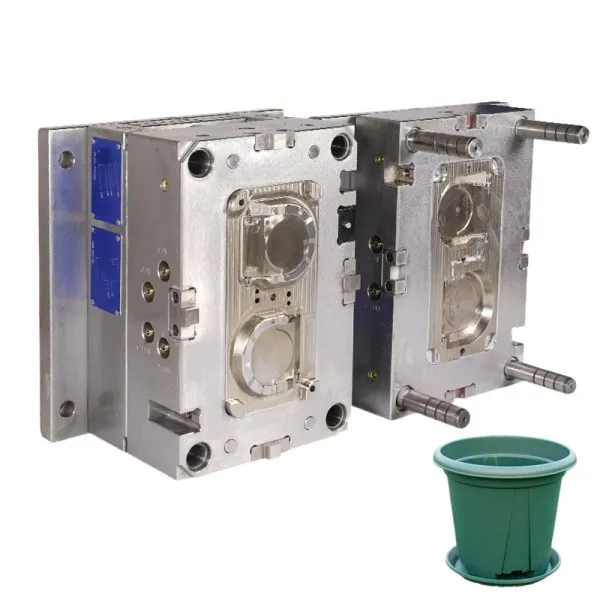
Many custom projects begin with a familiar garden item, then move toward a new size, surface, structure or private-label version. These are the parts most relevant to Brice Gardening's garden product experience.
Round pots, square pots, outdoor planters, nursery-style containers, trays and plastic planter shells.
Outer pots, inner inserts, water reservoirs, separators, fill openings, water indicators and drain components.
Sprayer bottles, caps, handles, trigger housings and plastic connection parts.
Watering can bodies, handles, spouts and similar hollow garden products where blow molding may be suitable.
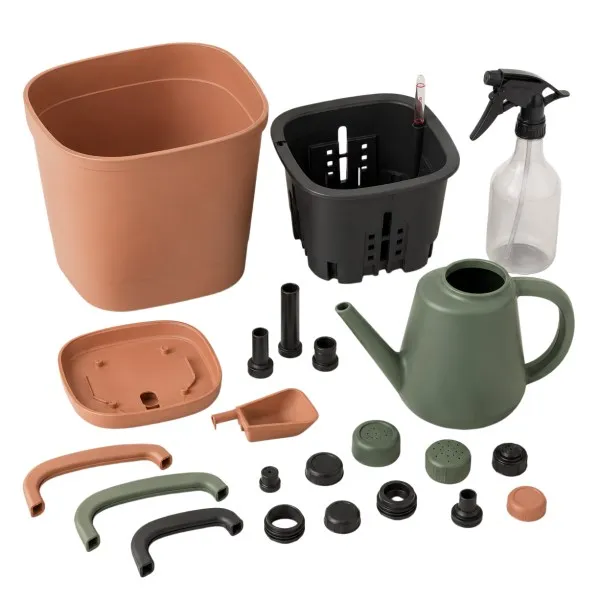
Not every garden product arrives with a finished specification sheet. A physical sample, a simple drawing, a product photo or a clear use requirement is often enough for the first review.
Send photos, measurements and the changes you want. The review can focus on size, material feel, surface finish, structure and packaging direction.
Share the drawing with notes on function, volume, color or assembly. The next step is checking whether the part is practical for molding.
Describe the use, rough size and target market. Brice Gardening can help shape the idea into a clearer sample and mold review.
Pots, inserts, caps and handles usually follow a different molding path from bottles, watering can bodies and other hollow parts. Shape, size, wall structure and expected quantity all influence the first recommendation.
Often used for plant pots, inserts, trays, caps, handles, sprayer housings and structural plastic parts.
Often used for sprayer bottles, watering can bodies and larger hollow garden containers.
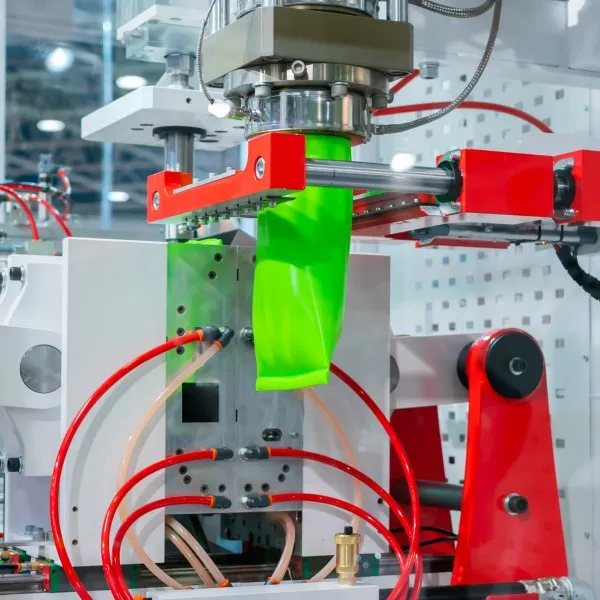
Garden products are handled, watered, stacked, shipped and often used outdoors. Early samples are more useful when these practical details are considered from the start.
Material and color direction should match sun, water and seasonal use.
Drainage, reservoir, cap or bottle areas should be clear and easy to clean for the intended use.
Pot shape, rim design and carton fit can affect storage, shipping and shelf handling.
Sprayer bottles, watering cans and handles should feel comfortable in daily garden work.
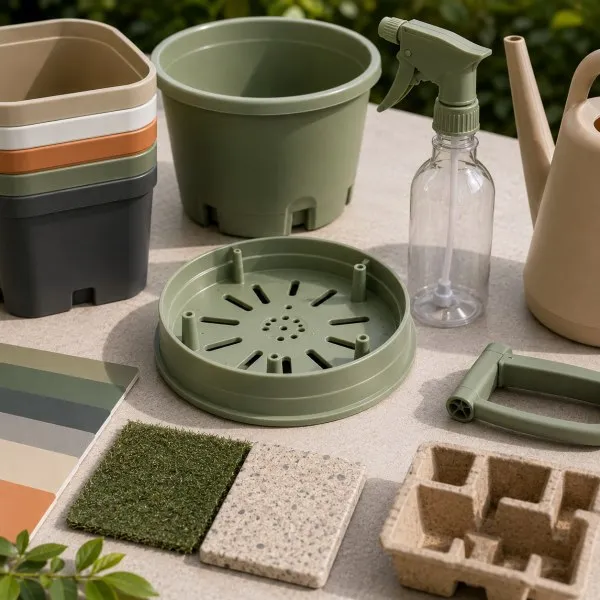
Brice Gardening keeps the early work practical: understand the part, choose a sensible forming direction, review sample details and prepare the order basics when the direction is clear.
Look at size, function, surface, material direction and possible molding method.
Review whether injection molding, blow molding, mold adjustment or new mold work is the better path.
Check color, surface, structure and packaging points on the sample before moving forward.
After the part direction is clear, confirm quantity, carton needs, timing and shipping destination.
A sample, drawing, photo or rough concept is enough to begin. Brice Gardening can review the product direction and reply with the next practical questions for sample and mold work.
Yes. Injection molding and blow molding can both be discussed depending on the part shape. Pots, inserts and caps are often injection-molded, while sprayer bottles and watering can bodies may need blow molding.
Common projects include plant pots, self-watering planter parts, trays, sprayer bottles, watering can bodies, handles, caps and plastic fittings for garden products.
Yes. A sample, photo or clear product idea can start the first review. A drawing is helpful, but it is not always required at the first stage.
Shape, size, material direction, forming method, surface finish, expected quantity and the final use environment all affect the first review.


