
Plant Pot Size Guide: P9, Litres, Diameter, and Common Pot Types
Most pot-size questions come down to 3 things: the name on the nursery pot, the width across the top, and how much room the roots actually have. Once those are clear, P9, 2 litre, 10 inch, quart, and gallon sizes are much easier to compare.
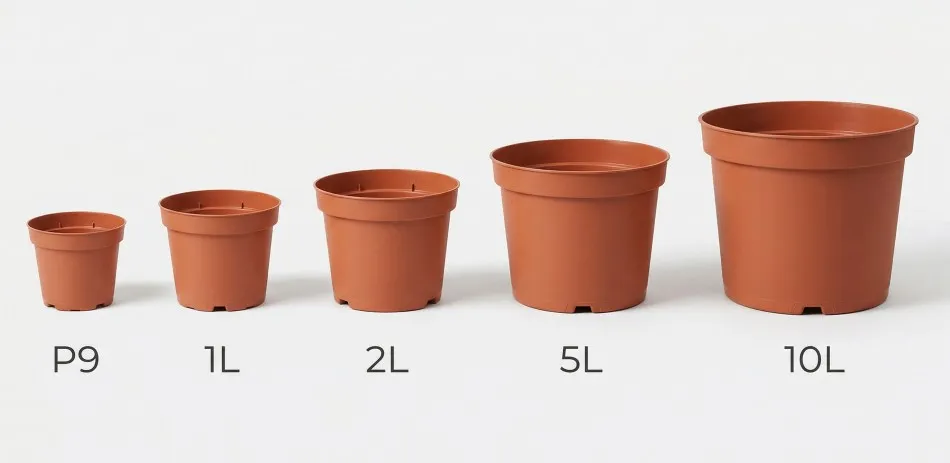
Plant pot size chart
These are working ranges, not fixed manufacturing rules. Different factories use different heights, tapers, and wall thicknesses, so check the real dimensions when fit matters.
| Size name | Approx. top diameter | Approx. capacity | Common use | Quick note |
|---|---|---|---|---|
| P9 | About 9 cm / 3.5 in | About 0.5 L | Starter herbs, young perennials, small nursery plants | Small starter size, usually grown on before it gives much display. |
| 1 litre | About 12–13 cm / 5 in | 1 L | Small houseplants, herbs, young shrubs | Compact, but easier to handle than a very small starter pot. |
| 2 litre | About 16–17 cm / 6.5 in | 2 L | Perennials, small shrubs, foliage plants | A common step up for everyday planting. |
| 3 litre | About 18–19 cm / 7–7.5 in | 3 L | Shrubs, climbers, stronger perennials | More root room and a little more first-year presence. |
| 5 litre | About 22–24 cm / 9–9.5 in | 5 L | Roses, patio plants, larger shrubs | Noticeably heavier once watered. |
| 7.5 to 10 litre | About 25–28 cm / 10–11 in | 7.5–10 L | Established shrubs, larger patio plants | Often chosen when quicker garden impact matters. |
| 15 to 20 litre | About 30–35 cm / 12–14 in | 15–20 L | Specimen shrubs, small trees, feature plants | Weight, delivery, and final placement start to matter. |
| 25 to 40 litre | About 37–48 cm / 15–19 in | 25–40 L | Larger trees, mature shrubs, project planting | Less about casual repotting and more about handling a heavy plant. |
How to read P9, litres, inches, quarts, and gallons
The same plant may be described in centimetres, litres, inches, quarts, or gallons. They are not perfect conversions of one another; they are different ways of describing width or growing volume.
P9 points to a small nursery pot around 9 cm across the top.
Litres describe how much growing media the pot roughly holds.
Diameter usually means the top opening, especially on round pots.
Inches are common on decorative pots and houseplant containers. Check whether the number is inside or outside width.
Quart sizes are volume-based and are often used for smaller plants.
Gallon sizes describe a container class more than one exact shape.
Measure the pot before fit becomes a problem
A chart can tell you the usual size range. It cannot tell you whether one real pot will fit a shelf, cover pot, tray, bracket, or shipping box. For that, measure the pot itself.
Measure across the opening. For inner-pot fit, measure the inside opening.
Check height when a plant needs shelf clearance or a cover pot.
Base width matters for trays, racks, brackets, and fitted inserts.
Decorative pots may look generous outside but give less room inside.

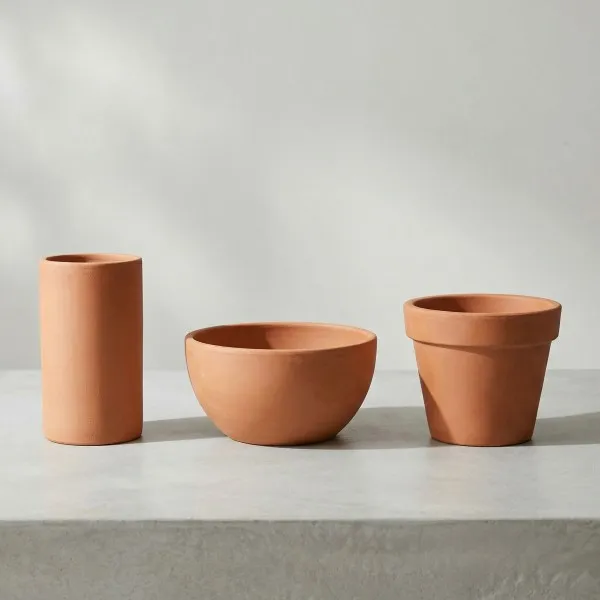
Why two 5 litre pots may not look the same
Capacity tells you the rough growing volume. Shape decides how that volume is arranged. A tall narrow pot, a squat round pot, and a tapered nursery pot can all feel different even when the litre size is close.
- A taller pot may use less floor space but need more height clearance.
- A wider pot may look bigger even when the capacity is similar.
- A thick decorative wall can reduce the usable space inside.
Repotting: move up when the roots need room
A bigger pot is not always kinder to the plant. For many houseplants and young ornamentals, a modest step up is easier to water than a jump into a much larger container.
| Current pot | Common next step | Why this step is easier |
|---|---|---|
| P9 / 9 cm | About 13 cm / 1 litre | Gives a young plant more room without leaving too much unused wet soil. |
| 13 cm / 1 litre | About 17 cm / 2 litres | A practical move for many houseplants, herbs, and younger ornamentals. |
| 17 to 19 cm / 2 to 3 litres | About 22 to 24 cm / 5 litres | Works when the plant is clearly rooted through and needs a steadier volume. |
| 22 cm+ pots | Check the plant and the final location | At larger sizes, weight, drainage, and placement matter more than a simple chart rule. |
For decorative planters, check the inside space
Decorative planters are not always described like nursery pots. Some are chosen by diameter, some by length, some by bracket fit, and some by filled weight.
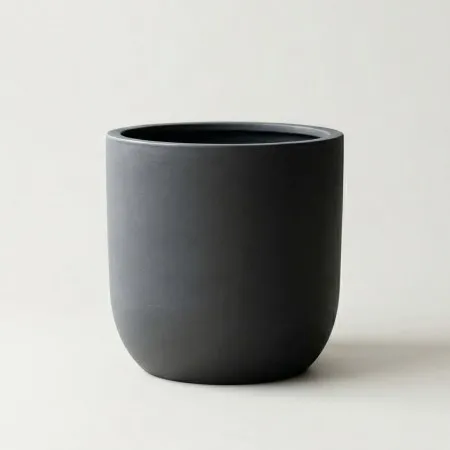
Diameter and height are usually the main numbers to check.
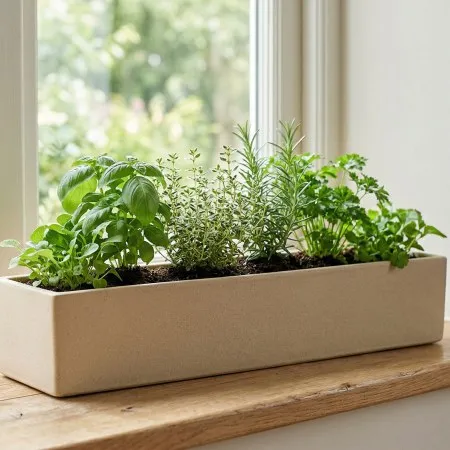
Length and rail or sill fit matter as much as volume.
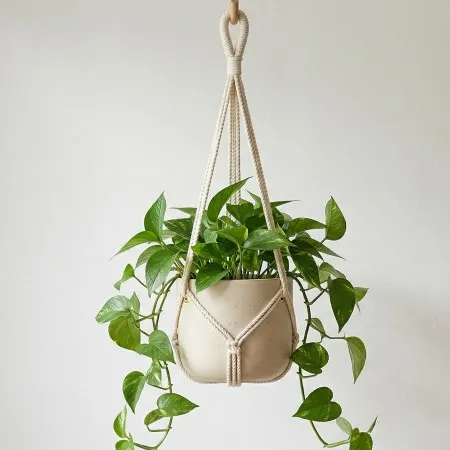
Filled weight matters quickly, especially after watering.
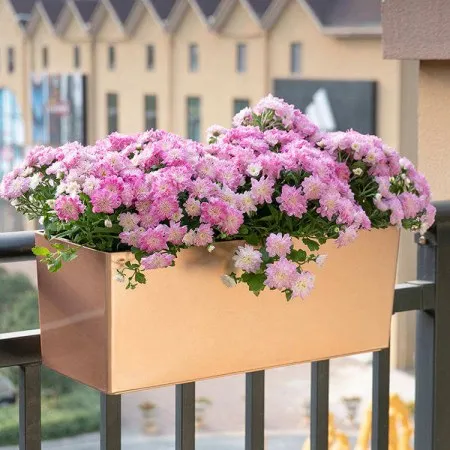
Bracket width, base shape, and outer profile need checking.
Common size mistakes
- Choosing by litre size without checking height or taper.
- Buying a cover pot before checking the nursery pot’s top diameter.
- Moving a small plant into a much larger pot too early.
- Forgetting that a large pot becomes much heavier after soil and watering.
FAQ
How is plant pot size usually measured?
What does a P9 pot mean?
Is a 2 litre pot always the same size?
Should I repot into a much bigger pot?
What should I check before buying a decorative planter?
Need help checking pot sizes?
Send Brice Gardening the diameter, height, litre size, or a photo of the pot area.
Chat on WhatsApp


